
Microservices monitoring
Real-time observability into dynamic microservices environments


What are Microservices?
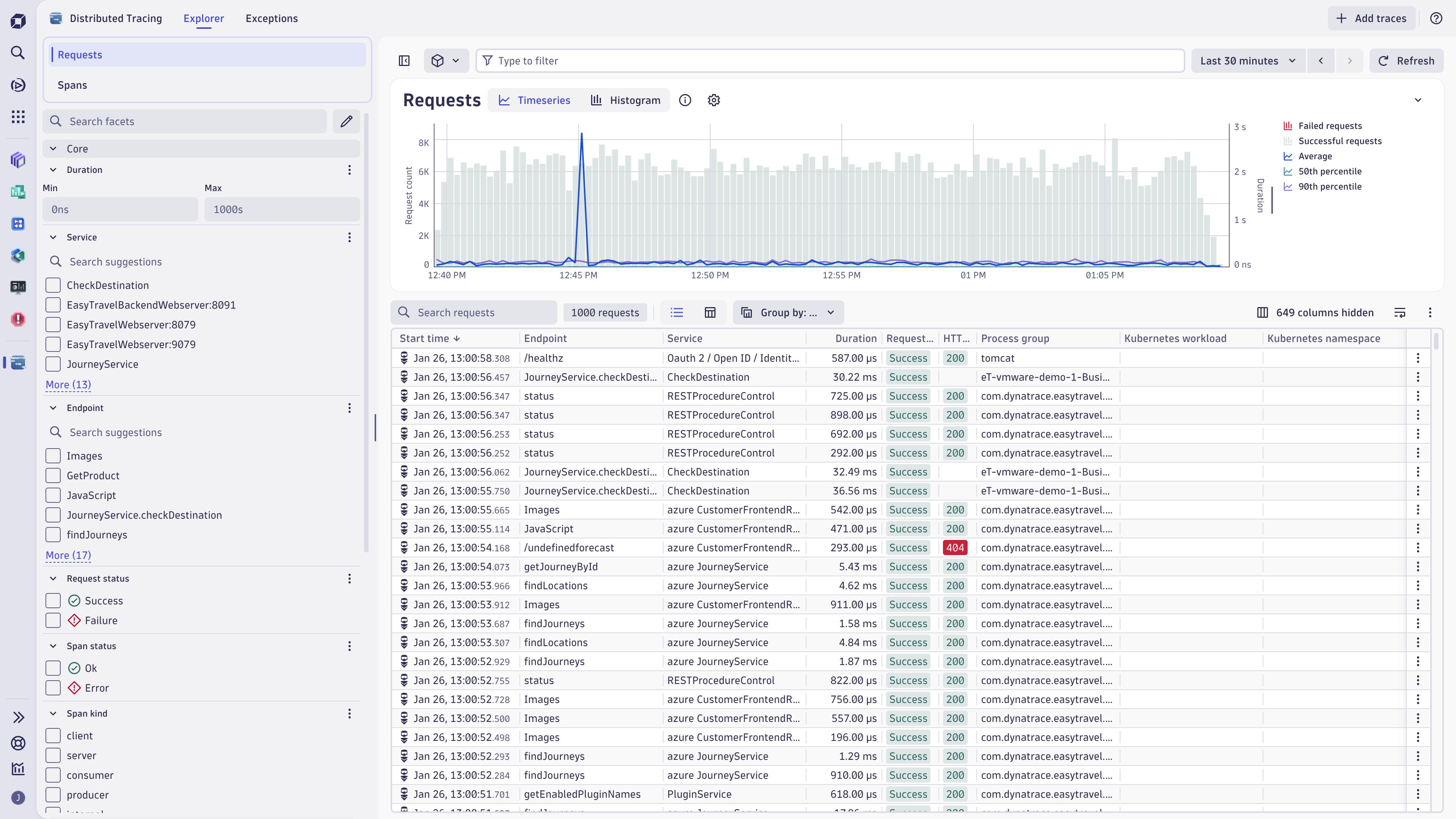
Microservices is an approach to application design that centers on breaking applications into a large number of small independent services that work together to deliver the required functionality. There are several benefits to microservices architectures, including increasing development agility, scaling performance more effectively, and improving reliability. Often, microservices are built to leverage cloud-native functionality, such as serverless functions or Kubernetes.
Many microservices, complete observability
- Conquer the complexity of dynamic cloud-native environments
- Automatically discover and monitor all microservices with OneAgent and OpenTelemetry
- Understand application dependencies and gain intelligent answers fast with Davis, our AI engine

Auto discover microservices
- Complete, real-time topology of your microservice architecture—created automatically
- Discovery of all your microservices and what’s running inside of them
- Holistic, real-time visibility for constant topology updates

We’ve got you covered
- Total full-stack visibility and understanding regardless of technologies used
- Intelligent insights into your application, user experience, and business transactions
- More than metrics: Davis AI delivers specific, actionable solutions to optimize your environment


Powerful core technologies
Get precise answers and automation through a combination of predictive, causal, and generative AI, along with automatic discovery and topology mapping across billions of dependencies.
-
Digital Experience
MonitoringEnsure perfect user experiences with proactive and real-time insight into availability, performance, and user behavior.
-
Application
ObservabilityAdd the power of Full-Stack app monitoring with code-level insights, AI-assistance and root cause analytics.
-
Automation
Create Kubernetes auto-remediation and team notification workflows.
-
Security Protection
Protect your clusters and apps from security threats.
-
Log Management
& AnalyticsDiagnose cluster and app health with automated analytics.
-
Extensions
Get visibility into the entire Kubernetes ecosystem.


Try it free

What's new
 Knowledge BaseWhat are microservices?
- Blog post10 tips for migrating from monolith to microservices
 Blog postWeighing a microservices approach means covering all architecture bases
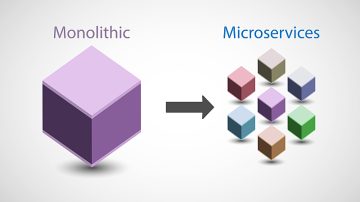 blog postMicroservices vs. monolithic architecture is a complex debate. Find out how they’re different, the pros and cons of each, and how Dynatrace can help you transition to microservices.
 EbookKubernetes Platform Observability Best Practices Guide: Learn how to streamline Kubernetes monitoring, security, and optimization at scale for platform engineering.


