

Five practical enhancements that make your daily workflows even easier
The February Dynatrace® SaaS releases continue a clear trend: extending powerful platform capabilities to help practitioners move faster, stay in context, and scale with less friction. This edition of Release Radar focuses on five enhancements that stand out in enabling practitioners to get their data in context autonomously while helping them to better understand their environment and troubleshoot easily.
If you want to see these enhancements in action, head on over to our release radar launchpad on our playground environment.
Bring topology into the natural flow of troubleshooting
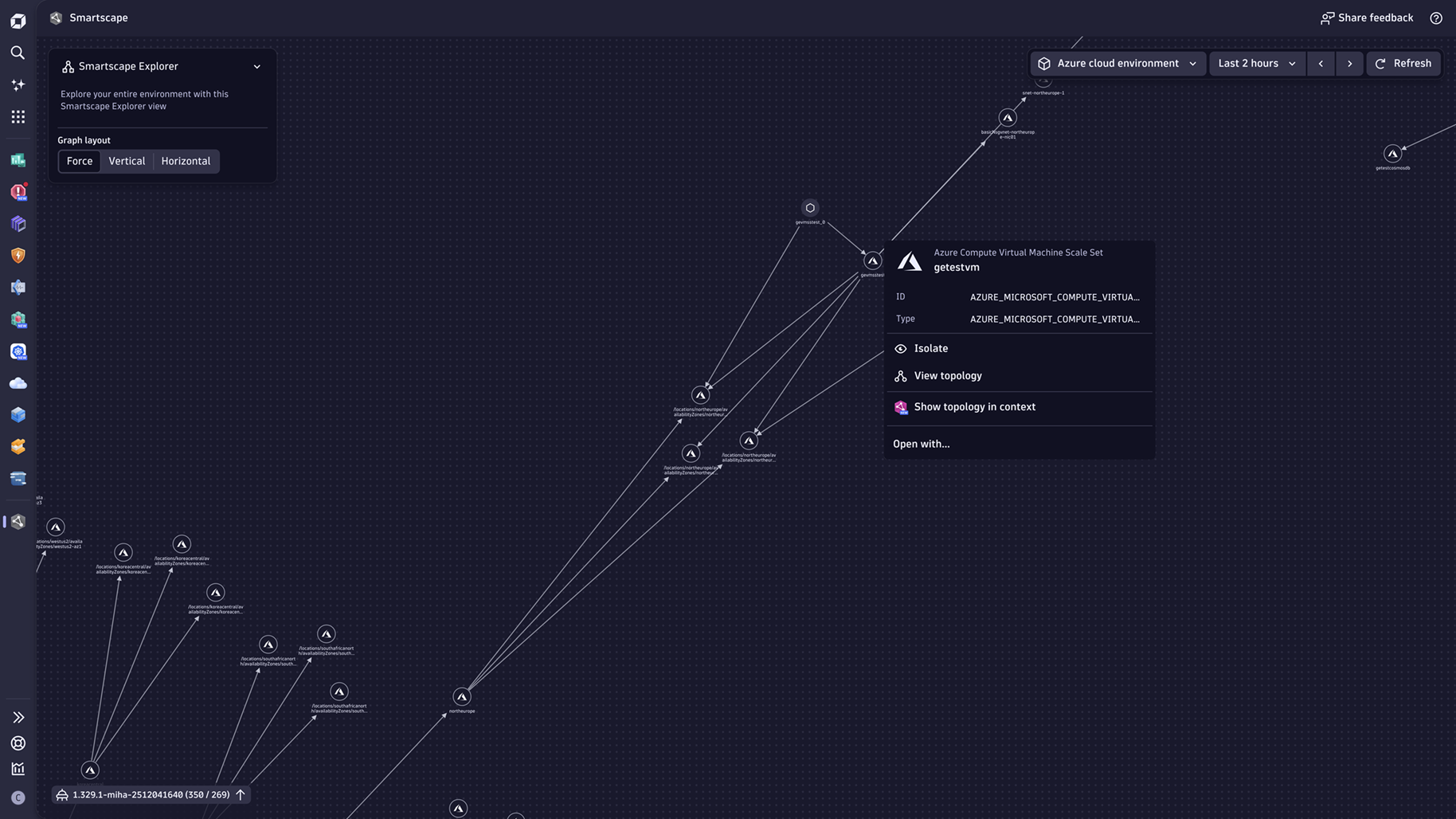
Smartscape® is a powerful tool for understanding live dependencies across modern environments. With version 1.333, Dynatrace makes that context easier to access by adding View Topology directly to entity pages in Clouds, Infrastructure & Operations, and Kubernetes.
This is a meaningful refinement because effective troubleshooting depends on staying in flow. When practitioners spot an issue on an entity page, they can now move directly into real-time topology and explore surrounding dependencies without detouring into a separate workflow.
Scale governance without slowing teams down
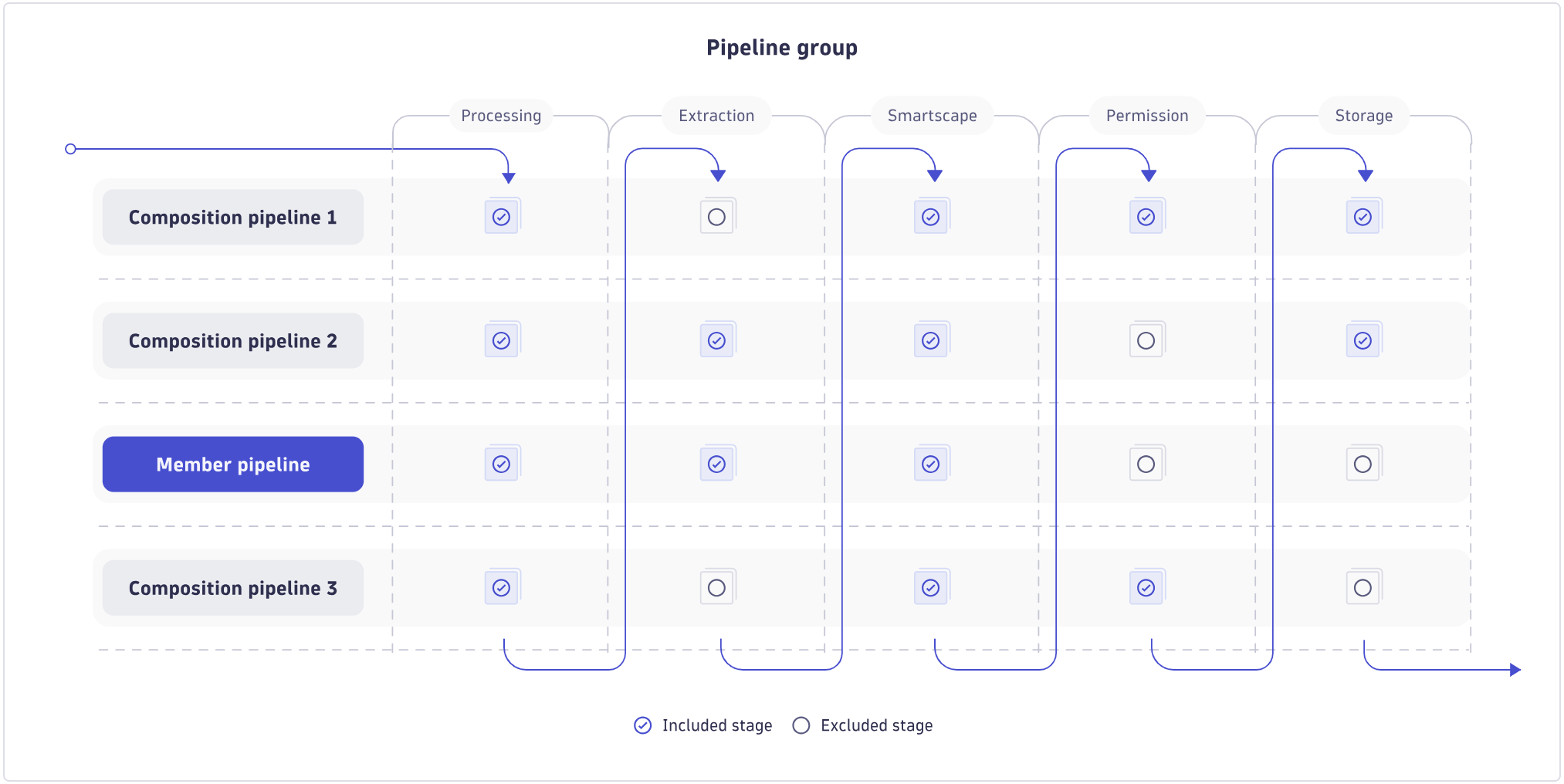
OpenPipeline® gives teams a flexible foundation for ingest and processing. With version 1.333, pipeline groups are now generally available, giving central teams a way to enforce shared policies across multiple pipelines at once, including security context, cost allocation, and sensitive data scanning, while still leaving parsing and extraction logic in the hands of individual teams.
This is where Dynatrace extends flexibility with cleaner operational guardrails – unlocking a way for safe scaling. Platform teams can standardize the controls that matter most, while application teams keep the autonomy they need to move quickly. For larger environments, especially, such a balance is essential.
Add additional dimensions for OTLP metrics
One enhancement for OpenTelemetry Protocol users is the expansion of OpenTelemetry Protocol (OTLP) metrics ingest so that all OTLP resource attributes are now available as dimensions in Metrics powered by Grail®. Dynatrace also added controls to limit which attributes are carried forward, including a deny list for OTLP sources and an allow list for Metrics Classic.
This update adds richer metric dimensions and stronger controls, making OTLP-based metrics easier to analyze, govern, and own while extending the core strength of Dynatrace Grail and preserving context at scale.
Get sharper answers from synthetic analysis
Synthetic monitoring helps teams catch digital experience issues early. Now, Dynatrace makes that workflow more actionable with the new browser monitor execution analysis page, which helps isolate the specific resources in specific executions that are affecting performance.
Once a run is flagged as slow, the next question is always the same: What exactly made this run degrade? This enhancement gives practitioners a more direct path from symptom to likely cause.
Make Primary Grail tags more useful across the platform
Across the February releases, Primary Grail tags have appeared in more places. In 1.332, Dynatrace added them to Segments, where they now show up in suggestions and autocomplete. In 1.333, they were also added to Synthetic monitor configurations.
This is a quiet but important improvement. The more consistently teams can use the same organizational language across telemetry, filtering, and configuration, the easier it becomes to move between workflows without losing context. Dynatrace already does a strong job of preserving meaning across data; this enhancement makes that consistency even more useful in practice.
Why these five Dynatrace enhancements matter
Taken together, these updates show Dynatrace continuing to strengthen the workflows practitioners already trust. Smartscape is easier to reach during troubleshooting. OpenPipeline becomes easier to govern at scale. OTLP metrics on Grail carry richer, more useful context. Synthetic analysis gets more precise. And Primary Grail tags continue to unify how teams organize and work with data across the platform.
Check out the updates in action on our release radar launchpad.



Looking for answers?
Start a new discussion or ask for help in our Q&A forum.
Go to forum